
Harley Touring Suspension Upgrades: When The Ride Feels Harsh, Loose, or Too Low
Harley Touring suspension upgrades should start with the complaint, not the catalog. A bike that feels harsh over sharp hits, loose in sweepers, or too low when loaded does not always need the same part. Sometimes it needs preload, sometimes it needs rear shocks, sometimes the front end is the real problem, and sometimes a lowered setup is simply fighting the way the bike is being used.
Quick answer: if the ride is harsh, check tire pressure, preload, and whether the shock is too stiff for the load. If the bike feels loose or wallows, look at rear shock control and fork damping. If the bike is too low, measure sag and current shock length before buying anything shorter.
For most Touring riders, the right move is not “buy the lowest shock.” It is getting the bike back into a controlled part of the suspension travel.
Harley Touring suspension upgrades should start with the complaint
Touring bikes hide suspension problems for a while because they are big, stable motorcycles. Then the complaints start showing up on real rides: the bike pounds over broken pavement, drags too early, dives under braking, feels vague when loaded, or gets worse with a passenger and bags full of gear.
Before shopping parts, separate the complaint into one of these buckets:
- Harsh: sharp hits, jolts through the seat, front end chatter, or the bike feeling like it has no give.
- Loose: wallow in sweepers, vague steering, too much fork dive, or a rear end that feels like it keeps moving after the bump.
- Too low: dragging boards early, bottoming two-up, poor cornering clearance, or a lowered stance that looks good but does not work for the ride.
Also do the boring checks first. Tire pressure, tire condition, preload, loose bag hardware, worn mounts, and incorrect shock pressure can make a good part feel bad. If the bike still has air shocks or air-adjustable forks, use a real shock pump instead of a gas-station hose.

Setup tool: Progressive Suspension GP-0-100 Gauge-Mounted Pump
The Progressive Suspension GP-0-100 Gauge-Mounted Pump is for air shocks and forks, with a check valve and let-down valve for small adjustments. Use it only where air-pressure adjustment applies, but do not skip the setup step if your Touring bike still uses an air-adjustable system.
Match the upgrade to the ride problem
Use these SpazCycle options as comparison points. The right part depends on year, trim, fork diameter, wheel size, current shock length, rider weight, passenger weight, luggage load, and whether the bike has already been lowered.
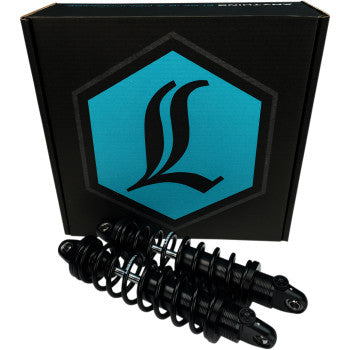
For harsh and loose rear feel: Legend REVO-A FL Touring shocks
The Legend Suspension REVO-A Adjustable FL Coil Suspension is the higher-control direction when the rear of the bike feels busy, vague, or under-supported. It has hand adjustment, 12-inch and 13-inch length options, and Touring-focused ride control.
Good fit when you want more tuning range instead of just replacing worn shocks with another fixed-feel setup.

For a loaded bike that sits too low: Progressive 412 13-inch Heavy Duty
The Progressive Suspension 412 Series 13-inch Heavy Duty shocks are worth comparing when the bike is sagging, dragging, or living near its load limit.
Do not treat 13 inches as a blind lift. Confirm stock length, clearance, and the current setup before changing ride height.

For heavy Touring use without chasing height: Progressive 412 12.5-inch Heavy Duty
The Progressive Suspension 412 Series 12.5-inch Heavy Duty shocks are a practical compare point when the bike needs more spring support but you are not trying to make a big height change.
Heavy-duty is not automatically more comfortable for every rider. Choose it for real load, not just because it sounds stronger.

For harsh front feel on 49 mm Touring forks: Legend AXEO Comfort
The Legend AXEO Comfort Front Suspension System for 49 mm FL Touring models is the comfort-focused front-end direction for small-bump compliance, smoother control, and reduced dive.
It is for stock-diameter front wheels, so wheel size matters before ordering.

For a front end that is too low: Progressive +2 Monotube Fork Kit
The Progressive Suspension Monotube Fork Kit +2 inch is for riders trying to get the front end back up and improve brake-dive resistance, front-end stability, and bottoming control.
This is not the first buy for every low bike. Use it when the fork setup, wheel size, and ride-height goal actually match.
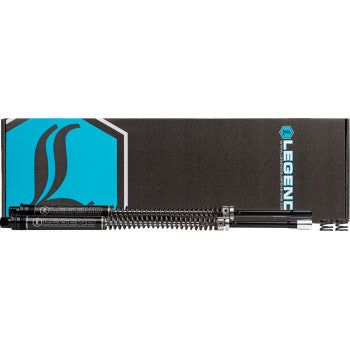
For older 41 mm FL Touring forks: Legend AXEO 41 mm
The Legend AXEO Performance Front Suspension 41 mm Standard gives older FLH/FLT Touring riders a front-end option instead of only thinking about rear shocks.
Good reminder: year range and fork diameter matter as much as the word “Touring.”
How to decide what to buy first
If the bike is harsh
Do not assume stiffer is better. A harsh Touring bike may be over-preloaded, under-damped, riding too low in the stroke, running the wrong tire pressure, or using a spring rate that does not match the load. For solo riders, heavy-duty shocks can be the wrong answer if the bike is not actually carrying heavy weight.
Start with setup. Then compare rear shock condition, rear shock length, and fork behavior. If the front end is the part beating you up, a rear shock swap alone may not make the bike feel planted.
If the bike feels loose
Loose is different from soft. A soft bike can still feel controlled. A loose bike keeps moving after the bump, dives too much, or feels vague when you roll into a corner. That is where better damping, rebound control, and a matched front/rear plan matter.
The Legend REVO-A direction makes sense when you want more rear tuning. The front-end kits above make sense when the fork is diving, deflecting, or not giving the front tire a confident feel.
If the bike is too low
“Too low” can mean three different things: the bike was intentionally lowered, the suspension is sagging under load, or the front/rear balance is wrong. Those are different fixes.
- If it was lowered for looks and now drags everywhere, do not buy another short shock.
- If it only sits low with a passenger and luggage, check preload and heavy-duty spring options.
- If the front is the low part, compare front fork ride-height options before changing the rear.
- If both ends are low, plan the whole stance instead of fixing one end at a time.
Fitment details that matter on Touring suspension
Suspension is one of those categories where the wrong part can physically bolt close enough to tempt you, but still be the wrong choice. Before ordering, confirm these details:
- Exact Harley-Davidson year and trim
- Road Glide, Street Glide, Road King, Electra Glide, CVO, ST, Limited, or Police model differences
- Fork tube diameter, especially 41 mm vs 49 mm applications
- Wheel size, especially 21-inch and 23-inch front wheel setups
- Current rear shock length
- Solo vs two-up riding load
- Whether the bike is already lowered
- Clearance around exhaust, bags, belt guard, tire, and swingarm
That is also why broad browsing should happen carefully. The Frames & Suspension collection is useful when you want to compare categories, but do not assume every item in a broad collection matches every Touring model. For setup tools, browse Service & Maintenance Tools.
What to skip if the ride already feels wrong
- Skip shorter shocks if your complaint is dragging, bottoming, or feeling too low.
- Skip heavy-duty springs if you ride mostly solo and the bike is already harsh.
- Skip front-only changes if the rear is sagging badly under passenger and luggage weight.
- Skip rear-only changes if the real complaint is brake dive or front-end chatter.
- Skip buying by stance if the bike is used for real touring miles.
Parts-counter rule: measure before you order
Write down your current rear shock length, tire sizes, front wheel size, and normal riding load. Then decide whether you are solving comfort, control, clearance, or all three. A Touring suspension upgrade should make the bike easier to ride farther, not just change how it sits in the garage.
If you are planning a bigger Road Glide build, SpazCycle’s Road Glide upgrade order guide is worth reading too, because suspension should be planned with seat position, wind management, lighting, audio, and luggage load in mind.
FAQ
Will new rear shocks fix a harsh Harley Touring ride?
Sometimes. Rear shocks help when the rear is worn, under-supported, or poorly controlled. But if the front fork is the harsh part, or tire pressure and preload are wrong, rear shocks alone may not solve it.
Should I choose standard or heavy-duty shocks?
Choose based on load. Heavy-duty makes sense for riders who regularly ride two-up, carry luggage, or operate near the bike’s load rating. It is not automatically the smoother choice for a light solo rider.
Can I fix a Touring bike that sits too low?
Yes, but identify why it is low first. A bike can be lowered by parts, sagging from load, or unbalanced front to rear. Measure first, then choose shocks or fork parts that match the actual problem.
Do front and rear suspension need to be upgraded together?
Not always, but they should be planned together. If the rear is fixed and the fork is still diving or harsh, the bike may still feel unfinished. If the fork is improved while the rear sags, the chassis can still feel off.
Need help narrowing it down?
Start with your exact Harley Touring model, current shock length, wheel size, and the complaint you are trying to fix. Then browse SpazCycle’s suspension options with fitment in mind instead of guessing from a product photo.
Leave a comment